
Home to nearly one-fifth of the global population, India today stands as one of the fastest-growing economies and a nation shaping the future of technology, infrastructure, and sustainable development. Yet, alongside this remarkable progress lies a critical challenge, water stress. The country is experiencing rapid depletion of freshwater sources, increasing contamination of rivers and groundwater, and a surge in wastewater generation from domestic, industrial, and agricultural activities. Without timely intervention, the imbalance between demand and availability could widen further, threatening long-term water security and public health.
While metropolitan regions continue to expand and modernize, rural India where nearly two-thirds of the population resides, remains particularly vulnerable. Many rural households still depend on groundwater and seasonal monsoon rainfall for their daily needs, often without reliable access to safe drinking water. At the same time, inadequate wastewater management leads to the accumulation of untreated sewage and effluents, contaminating local water bodies and agricultural land. This dual challenge of water scarcity and wastewater pollution not only affects livelihoods but also increases health risks, especially among women, children, and farming communities.
Urban India is estimated to generate approximately 72,368 million litres per day (MLD) of sewage, while rural areas contribute an additional 39,604 MLD of wastewater. Industrial clusters also produce roughly 13,500 MLD of effluents. However, a significant portion of this wastewater remains untreated and is discharged into the environment, leading to serious contamination of land and water resources.
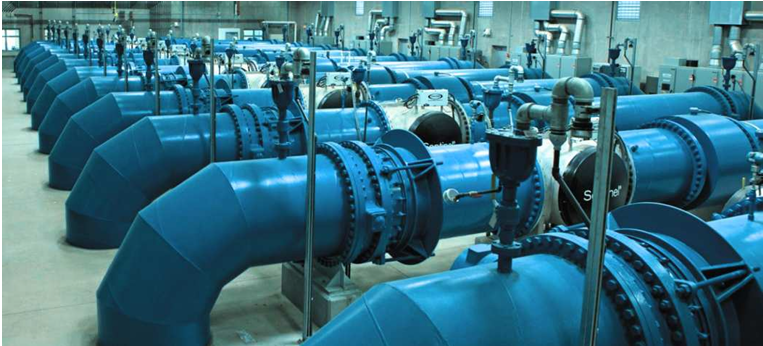
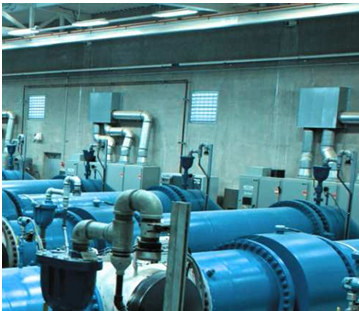
Wastewater Pumping Systems
Traditional approaches to wastewater treatment and pumping are increasingly proving inadequate in today’s rapidly evolving landscape. Growing wastewater volumes, ageing infrastructure, higher energy costs, and complex contaminants have made conventional systems difficult to operate efficiently. The effectiveness of legacy processes is further limited by the emergence of advanced technologies and the enforcement of far more stringent environmental and discharge regulations.
“At Pump Academy, we are transforming the way cities manage water and wastewater. By driving efficiency, reliability, and sustainability, our solutions empower utilities to build resilient, future -ready pumping systems that safeguard precious water resources while maximizing performance and cost- effectiveness.”
Indian cities face unique challenges in wastewater management. The combination of aging colonial-era infrastructure, unplanned urban spread, and inadequate maintenance has created a complex web of problems. Many cities still rely on combined sewer systems that handle both stormwater and sewage, leading to overflow during monsoons. This is where modern pumping systems with adequate capacity and intelligent controls become crucial.
Pumping Infrastructure in Metro Cities
Delhi operates one of the country’s most extensive wastewater pumping systems, supported by a wide network of pumping stations. Key facilities in Okhla and Yamuna Vihar manage significant sewage volumes and are equipped with high-capacity pumps. However, the city continues to face challenges during monsoon seasons, when stormwater inflow overthrows the system, causing operational disruptions and backflow in low lying areas.
Mumbai’s wastewater system is equally complex due to its coastal terrain. The city relies on a large network of pumping stations to move wastewater efficiently and manage tidal influences along the Arabian Sea. Modern facilities, such as those serving the Bandra-Kurla Complex, incorporate automation and backup systems to ensure continuous operation in this critical commercial hub.
In Bengaluru, wastewater pumping is essential due to the city’s elevated, uneven landscape. The water utility operates multiple pumping stations across major catchment areas, supported by smart systems for real-time monitoring and remote control. This digital integration has improved reliability and reduced operational challenges, positioning the city as an early adopter of smart pumping technologies.
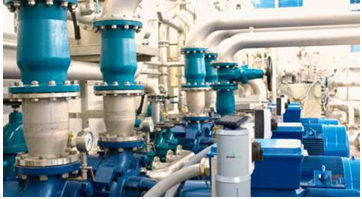
Technological Advancements and Innovations
In recent years, India has seen remarkable advancements in wastewater pumping technology. National programs such as Namami Gange have accelerated the deployment of modern pumping infrastructure particularly in cities like Varanasi and Kanpur. These new facilities incorporate energy-efficient pumps, odour-control mechanisms, automated cleaning systems, and SCADA-based monitoring, setting new benchmarks.
Another example of next generation pumping system is the Gandhinagar sewage pumping station in Gujarat. Designed to manage the challenging characteristics of Indian sewage, it uses advanced submersible pumps with anti-clogging impellers, solar-powered auxiliary systems, rainwater harvesting, and thoughtfully planned landscaping to address community acceptance and environmental sustainability.
Chennai has adopted a forward-looking approach with decentralized wastewater pumping systems, installing multiple neighbourhood-level stations to ease pressure on central infrastructure. Innovative solutions such as integrated natural treatment wetlands facilities provide preliminary biological treatment before the wastewater reaches the main treatment plant, improving efficiency and reducing load on centralized systems.
As wastewater infrastructure grows more sophisticated, digitalisation and intelligent control platforms have become essential.
“Our purpose is to empower India with intelligent, future-ready pumping systems that protect critical infrastructure, conserve our nation’s water resources, and fuel long-term sustainable growth.”
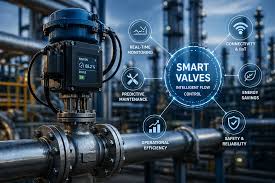
This is where iPUMPNET delivers transformative value. Designed for real-time performance optimization, energy efficiency, and predictive maintenance, iPUMPNET enables utility operators to monitor pumping stations remotely, predict failures before they occur, optimize energy consumption, and ensure uninterrupted service even during peak flow or storm events. With capabilities such as intelligent pump sequencing, automated reporting, IoT enabled analytics, and operational dashboards, iPUMPNET enhances reliability, extends equipment life, and reduces operational costs, supporting the vision of a smarter, more sustainable wastewater ecosystem in India.
The Path Forward
India’s push toward smarter urban water management has gained momentum under the Atal Mission for Rejuvenation and Urban Transformation (AMRUT), which has allocated significant investments of Rs.2.99 trillion to provide functional water tap connections and strengthen sewerage networks and pumping infrastructure.
With more than 500 cities across the country focused on upgrading or establishing wastewater treatment and pumping stations, cities are advancing toward more resilient sanitation systems.
The evolution of wastewater pumping in India is also being supported through innovative public-private partnerships. Nagpur stands as a notable example, where collaboration with private operators has enhanced system performance, reduced operational expenses, and brought higher technical accountability than traditional municipal models.
As urbanization expands, wastewater pumping systems will remain mission-critical infrastructure, demanding continuous investment, digital modernization, and skilled management to safeguard water bodies and deliver on national sanitation commitments, including the vision of Swachh Bharat.
This transition toward intelligent utility operations is where Pump Academy plays a pivotal role. Through the deployment of iPUMPNET, a smart pumping optimization and analytics platform, the organization is helping water utilities and municipalities modernize water and wastewater pumping operations.
By equipping utilities with data-driven insights, intelligent automation, and proactive asset management tools, Pump Academy is strengthening operational efficiency, enhancing service reliability, and promoting sustainable water and wastewater management across India. These forward-looking solutions are helping cities build resilient, future-ready pumping systems that protect public health and water resources while optimizing cost and performance.